SR-22 Insurance in Texas: Cheap Filing & Duration Guide (2026)
Table of Contents
- What Is SR-22 Insurance in Texas?
- Who Needs SR-22 in Texas?
- How Long Do You Need SR-22 in Texas?
- How Much Does SR-22 Insurance Cost in Texas?
- How to File SR-22 in Texas (Step-by-Step)
- Non-Owner SR-22 in Texas (No Car Needed)
- What Happens If Your SR-22 Lapses?
- How to Remove SR-22 From Your Record
- Frequently Asked Questions
Below is a complete guide to SR-22 insurance in Texas, including how long you must keep it, what it costs, and how to file without delays.
SR-22 insurance in Texas is a certificate of financial responsibility that your insurer files with the Texas Department of Public Safety (DPS). It proves you carry the state minimum liability coverage after a serious violation.
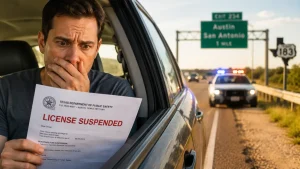
If you were caught driving without insurance in Texas, received a DUI, or had your license suspended, you will likely need to maintain an SR-22 for 2 years.
High-risk drivers typically pay between $85 and $145 per month for minimum liability coverage that includes SR-22 filing — but cheap SR-22 insurance in Texas is available from non-standard carriers starting closer to $85, while the filing fee itself is only $15 to $50.
This guide explains exactly how long you need SR-22 insurance in Texas, how much it costs, how to file it, and what happens if you let it lapse.
What Is SR-22 Insurance in Texas?
An SR-22 is a form submitted by your insurance company to Texas DPS certifying that you have active liability coverage meeting the state’s 30/60/25 minimums:
- $30,000 bodily injury per person
- $60,000 bodily injury per accident
- $25,000 property damage per accident
Important distinctions:
- The SR-22 is not insurance — it is proof of insurance
- You cannot file it yourself; only a licensed Texas insurer can submit it electronically
- It is attached to your auto policy as a rider or endorsement
- If you cancel the policy or let it expire, the insurer must notify DPS within a short timeframe
All drivers required to carry SR-22 insurance in Texas must maintain continuous coverage with no lapses.
SR-22 is often required after a driving without insurance conviction or when your license is suspended for no insurance. Before filing, confirm you understand Texas registration requirements.
Who Needs SR-22 in Texas?
Texas DPS requires SR-22 insurance in Texas for drivers who have demonstrated high-risk behavior. The following violations commonly trigger the filing requirement:
| Violation | SR-22 Required? | Notes |
|---|---|---|
| Driving without insurance (first offense) | Sometimes | Court may require it at discretion; more common for second offenses |
| Driving without insurance (second+ offense) | Yes | Mandatory to reinstate license |
| DUI / DWI conviction | Yes | Usually required for 2 years after conviction date |
| At-fault accident without insurance | Yes | Required to reinstate driving privileges |
| License suspension / revocation | Yes | Required as condition of reinstatement |
| Excessive traffic violations / points | Sometimes | DPS may require it for habitual violators |
How Long Do You Need SR-22 in Texas?
In most cases, you must maintain SR-22 insurance in Texas for 2 years from the date of conviction. For more serious violations, the requirement may extend to 3 years.
| Violation Type | SR-22 Duration | Start Date |
|---|---|---|
| First offense driving without insurance | 2 years | Conviction date |
| Second offense driving without insurance | 2 years | Conviction date |
| DUI / DWI | 2–3 years | Conviction date |
| At-fault accident while uninsured | 2 years | Conviction or judgment date |
| License suspension reinstatement | 2 years | Reinstatement approval date |
Failing to maintain SR-22 insurance in Texas for the full court-ordered term results in immediate license suspension.
Critical rule: The 2-year clock runs continuously. If your policy lapses even for one day, the insurer notifies DPS and your requirement period may reset. You cannot “pause” SR-22 coverage.
How Much Does SR-22 Insurance Cost in Texas?
The cost of SR-22 insurance in Texas has two components: the filing fee and the increased premium.
SR-22 Filing Fee
Most insurers charge a one-time filing fee of $15 to $50 to submit the SR-22 certificate to DPS electronically.
Monthly Insurance Premium With SR-22
Because you are classified as a high-risk driver, your base premium increases significantly. Here are typical ranges in Texas:
| Coverage Level | Monthly Cost Range | Annual Cost |
|---|---|---|
| Minimum liability (30/60/25) + SR-22 | $85 – $145 | $1,020 – $1,740 |
| Full coverage + SR-22 | $180 – $320 | $2,160 – $3,840 |
| Non-owner liability + SR-22 | $25 – $60 | $300 – $720 |
| Texas average (all SR-22 policies) | ~$277 | ~$3,324 |
Why the wide range? High-risk and non-standard carriers (such as those specializing in SR-22 filings) often offer lower minimum-liability rates than major national brands, which may decline to renew standard policies after a serious violation.
Shopping around for SR-22 insurance in Texas can save you hundreds of dollars annually, as non-standard carriers often undercut national brands.
How to File SR-22 in Texas (Step-by-Step)
You cannot file an SR-22 yourself. It must be submitted by a licensed insurance company authorized to do business in Texas. Follow this process:
Only licensed insurers authorized by the state can issue SR-22 insurance in Texas on your behalf.
- Contact an insurer — Not all companies offer SR-22 policies. Look for insurers specializing in high-risk or non-standard auto coverage in Texas.
- Purchase minimum liability coverage — You must maintain at least 30/60/25 limits.
- Pay the SR-22 filing fee — Usually $15–$50, added to your first bill.
- Insurer files electronically — The company submits the SR-22 directly to Texas DPS through the Texas Financial Responsibility Verification Program (TFRVP).
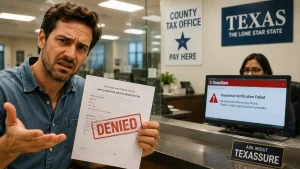
- Wait for DPS confirmation — Processing typically takes 48 to 72 hours. Do not drive until you confirm the filing is active.
- Maintain continuous coverage — Pay premiums on time. Any cancellation or lapse triggers an automatic license suspension.
Pro tip: If your license is currently suspended, ask your insurer for a future effective date on the SR-22 so it activates the day your suspension ends, saving you from paying for coverage you cannot legally use.
Non-Owner SR-22 in Texas (No Car Needed)
If you do not own a vehicle but need to reinstate your Texas driver’s license, you can purchase a non-owner SR-22 policy. This is one of the most affordable ways to satisfy the SR-22 requirement.
Non-owner SR-22 insurance in Texas is one of the cheapest ways to satisfy the state requirement if you do not own a vehicle.
- What it covers: Liability only — damage or injury you cause while driving a borrowed or rented vehicle
- What it does not cover: Damage to the borrowed car itself (no collision/comprehensive)
- Typical cost: $25–$60 per month
- Who qualifies: Drivers who do not have a vehicle registered in their name and do not have regular access to a household vehicle
How long do you need non-owner SR-22 in Texas? The same 2-year period applies. If you buy a car during that time, you must convert the policy to a standard owner policy with SR-22 attached.
What Happens If Your SR-22 Lapses?
A lapse is the single most expensive mistake you can make during your SR-22 period. Here is exactly what happens:
When your SR-22 insurance in Texas is canceled or expires, the insurer must notify DPS within 5 to 15 days.
- Insurer notifies DPS immediately — usually within 5 to 15 days of cancellation or non-payment
- DPS issues a new license suspension — often without mailed warning
- Your 2-year clock resets — if you were 18 months in, you start over at month 0 when you refile
- You must pay a reinstatement fee — typically $100 to $125 to Texas DPS
- You may face additional court penalties — if the lapse was court-ordered, the judge can impose new fines
How to avoid a lapse: Set up automatic payments. If you switch insurers, ensure the new policy is active before the old one cancels, and confirm the new insurer files a replacement SR-22 immediately.
How to Remove SR-22 From Your Record
Texas does not allow early SR-22 removal. You must complete the full term continuously. Once your requirement period ends:
Once your SR-22 insurance in Texas requirement expires, your insurer files an SR-26 form to officially close the case.
- Contact your insurer 30 days before expiration — confirm the exact end date tied to your conviction
- Request an SR-26 filing — this is the cancellation form that notifies DPS your requirement is satisfied
- Keep proof of coverage — maintain standard insurance after the SR-22 drops; driving uninsured again restarts the cycle
- Verify with DPS — check your driver record online at the Texas DPS website to confirm the SR-22 flag is removed
After removal, your insurance rates will gradually decrease as the violation ages, though the underlying conviction may affect premiums for 3 to 5 years total.
Frequently Asked Questions
Below are answers to the most common questions about SR-22 insurance in Texas.
How long do you need SR-22 in Texas after driving without insurance?
Two years from the date of conviction. The period is continuous; any lapse resets the clock.
What is the cheapest SR-22 insurance in Texas?
Non-owner liability policies with SR-22 filing start around $25 to $60 per month. For vehicle owners, minimum liability SR-22 policies from high-risk carriers typically start at $85 per month.
Can I get SR-22 insurance without a car in Texas?
Yes. A non-owner SR-22 policy satisfies the DPS requirement if you do not own a vehicle. It covers liability when driving borrowed or rented cars.
Does SR-22 cover any car I drive in Texas?
Only if you are listed on the policy or hold a non-owner policy. SR-22 is tied to you as the driver, not a specific vehicle, but the policy must still name any car you regularly drive.
What happens if my SR-22 lapses in Texas?
DPS will suspend your license again, your SR-22 period resets to zero, and you must pay a reinstatement fee plus any new court penalties.
How do I know when my SR-22 requirement ends in Texas?
Your original court order or DPS reinstatement letter states the end date. You can also check your driving record through the Texas DPS online portal. Your insurer can confirm the filing anniversary.
Is SR-22 a type of insurance policy?
No. SR-22 is a certificate attached to an existing auto insurance policy. It proves to the state that you carry at least the minimum required liability coverage.
Sources
- Texas Department of Public Safety (DPS) — Driver Responsibility Program
- Texas Department of Insurance (TDI) — tdi.texas.gov
- Texas Transportation Code § 601.051, § 601.053, § 708.105
- Texas Financial Responsibility Verification Program (TFRVP)
- National Association of Insurance Commissioners (NAIC) — High-Risk Auto Insurance Data
Disclaimer
InsuraSpot researches insurance laws and penalties using public data from state agencies and official statutes. We do not sell insurance, provide legal advice, or represent any insurance carrier. SR-22 requirements, costs, and filing procedures vary by insurer and individual circumstances. Always confirm your specific requirements with Texas DPS and a licensed Texas insurance agent. Read our full disclaimer and privacy policy.
Last updated: June 2026